How to Choose an Intrinsically Safe Camera
A conventional digital camera, smartphone or thermal imager can introduce electrical or thermal energy into an environment where flammable gases, vapors or combustible dust may be present. Cameras intended for classified locations are engineered or protected and tested for clearly defined operating conditions.
“Intrinsically safe” describes equipment designed to limit ignition-capable electrical and thermal energy. “Explosion-protected” is a broader term that can include other certified protection methods. These terms should not be used as substitutes for a camera’s actual certification.
When comparing hazardous-area cameras, consider:
- Area classification: Determine whether the application requires a Class I Division 1 camera, Class I Division 2 camera, or an ATEX/IECEx-certified solution.
- Imaging technology: Choose a visual camera for photographs and video or a thermal camera for detecting abnormal heat patterns.
- Inspection distance: Consider whether the operator can safely reach the subject or requires optical zoom, remote viewing or a camera mounted on an inspection mast.
- Environmental conditions: Review the operating-temperature range, ingress-protection rating, impact resistance and chemical resistance.
- Image requirements: Compare resolution, optical zoom, low-light performance, flash, video capabilities and thermal measurement range.
- Data workflow: Confirm how images are stored, transferred and added to inspection, maintenance or compliance records.
- Accessories: Verify that batteries, chargers, memory cards, mounts and other accessories are approved for the selected configuration.
- Product lifecycle: Consider manufacturer support, replacement batteries, warranty coverage and long-term product availability.
Types of Cameras for Hazardous Areas
Portable Visual Cameras
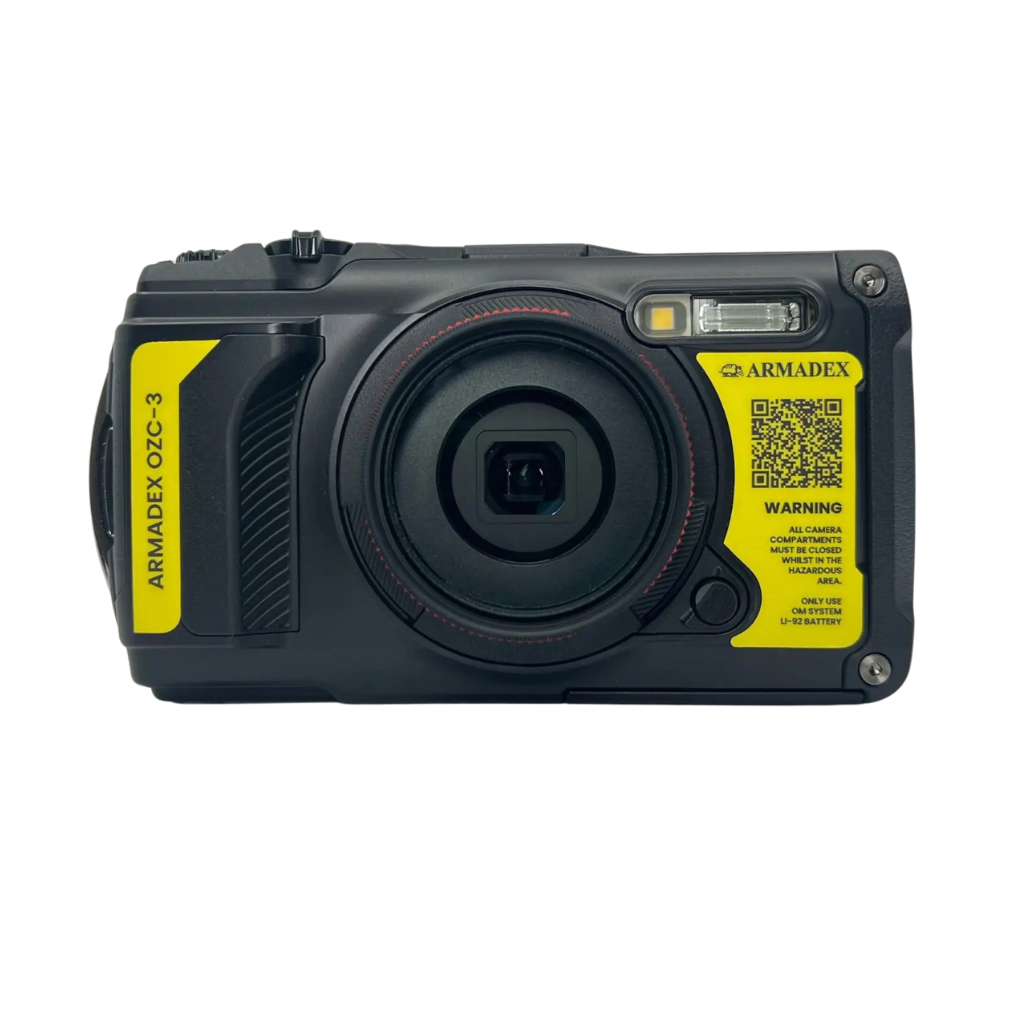
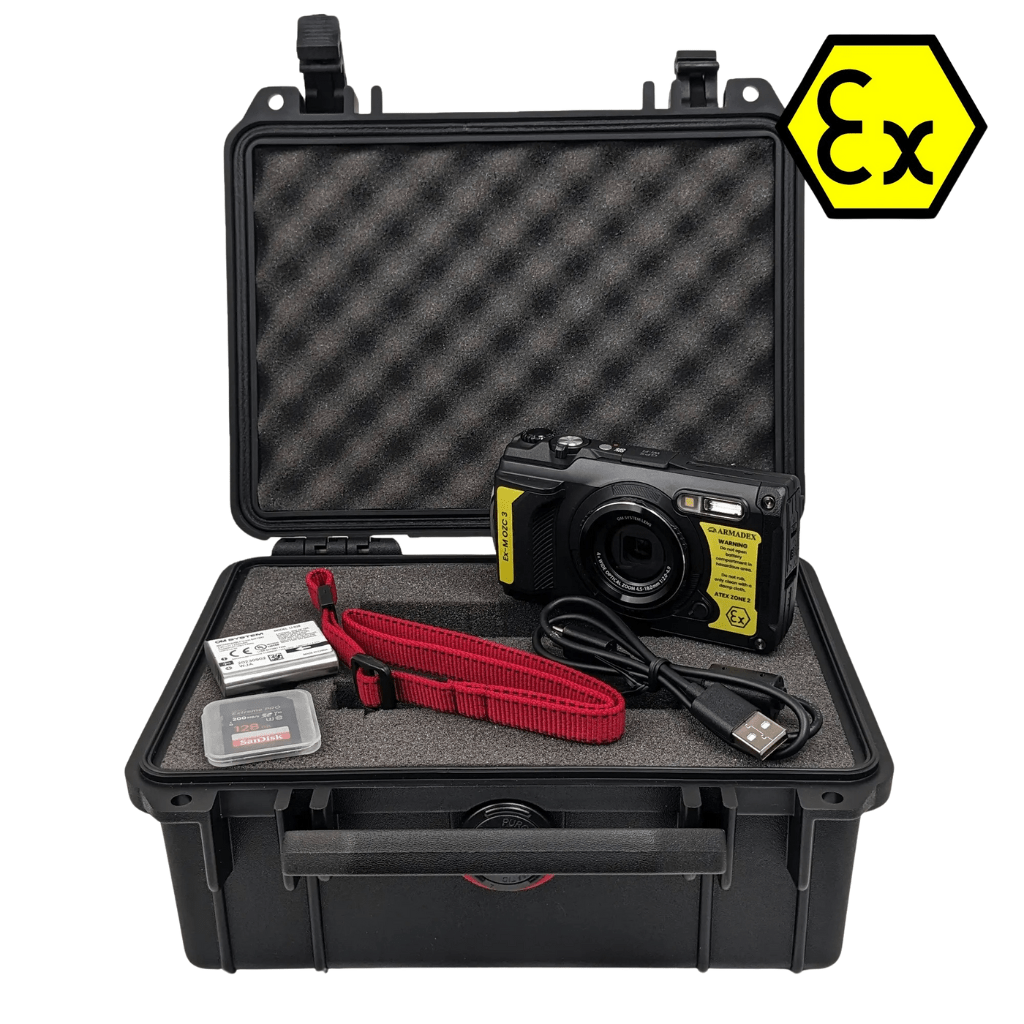
Portable visual cameras help technicians capture photographs and video during equipment inspections, maintenance work and incident investigations. They can document corrosion, leaks, damaged components, labeling, wiring conditions and other visible problems.
When comparing portable visual cameras, consider:
- Class, Division or Zone certification
- Image and video resolution
- Optical versus digital zoom
- Low-light and flash performance
- Close-focus capability
- Battery runtime
- Storage capacity
- Data-transfer method
- Glove operation
- Drop, water and dust resistance
A rugged or waterproof consumer camera is not automatically approved for a hazardous location.
Intrinsically Safe Thermal Cameras
Thermal imaging helps identify temperature differences that may indicate loose electrical connections, overloaded components, failing bearings, blocked process lines, insulation problems or other developing faults.
Select Exloc thermal-camera systems can measure temperatures from approximately -40°C to 330°C. The exact measurement range, accuracy, resolution and hazardous-location approval vary by model; consult the individual product specifications and current certificate before purchasing.
Thermal cameras can support:
- Electrical-system inspections
- Mechanical equipment monitoring
- Bearing and motor inspections
- Heating and cooling system analysis
- Insulation assessment
- Process-temperature documentation
- Preventive and predictive maintenance
A thermal image should be interpreted by personnel familiar with the equipment, operating conditions and limitations of the selected camera.
Remote Inspection Systems
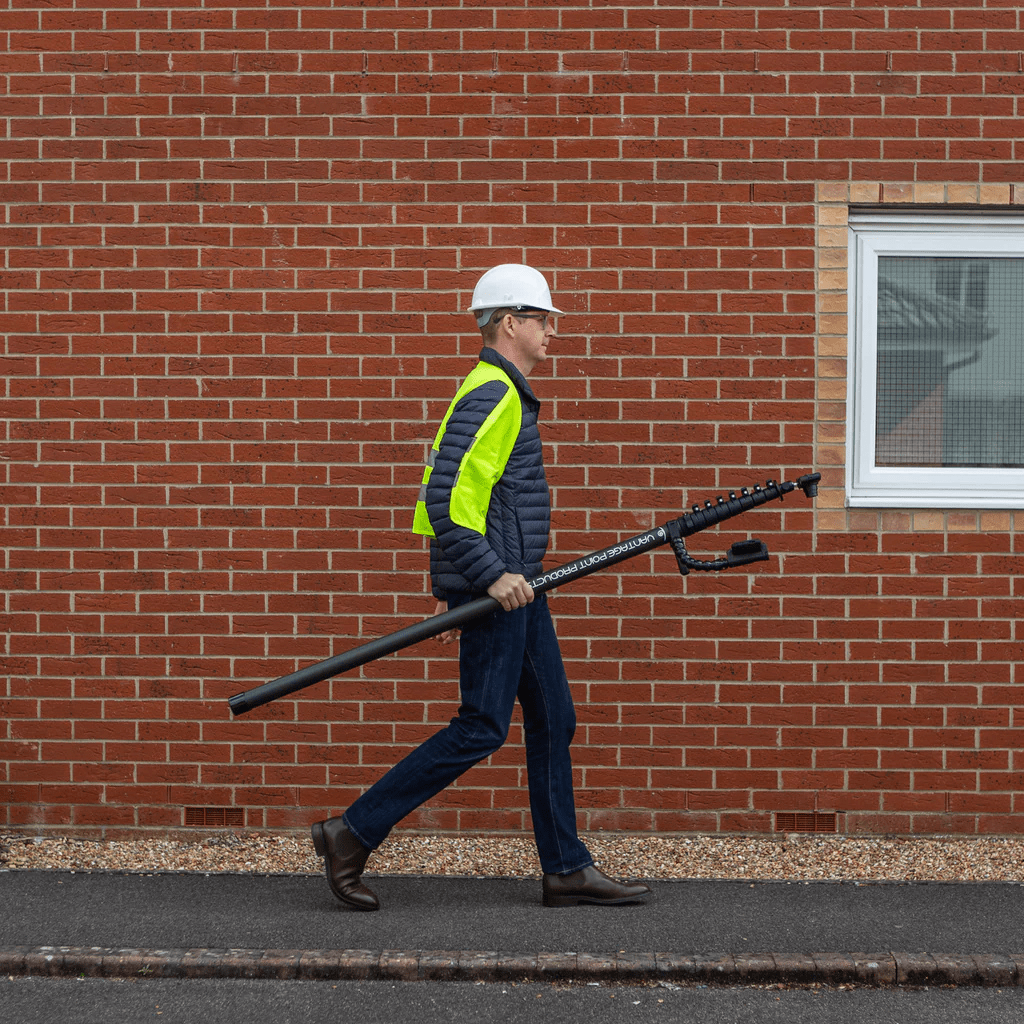
Remote camera and inspection-mast systems allow operators to examine elevated, enclosed or difficult-to-access equipment from a safer position. These systems can support tank, vessel, pipeline, machinery and structural inspections while reducing the need for ladders, scaffolding or unnecessary entry into restricted areas.
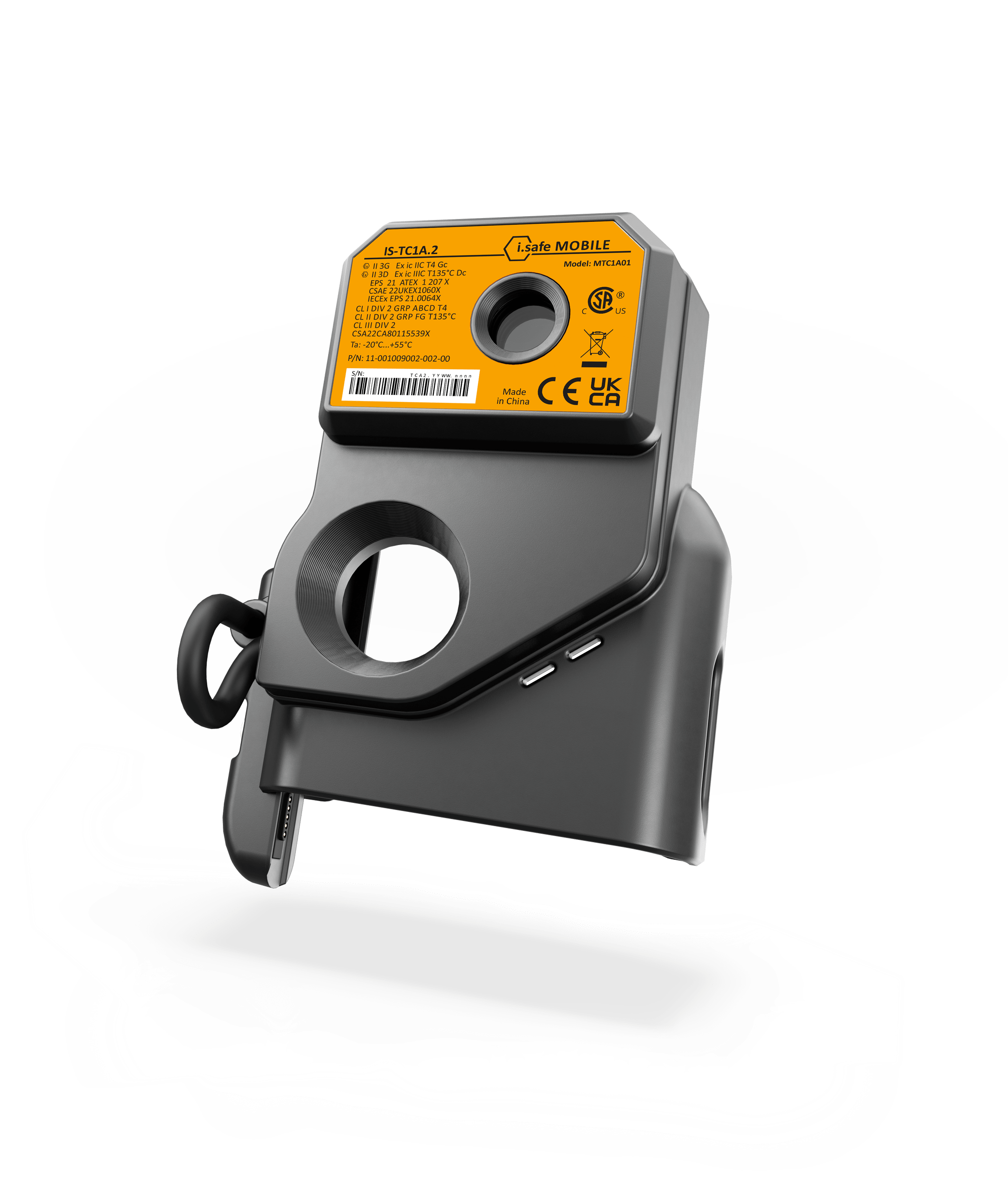
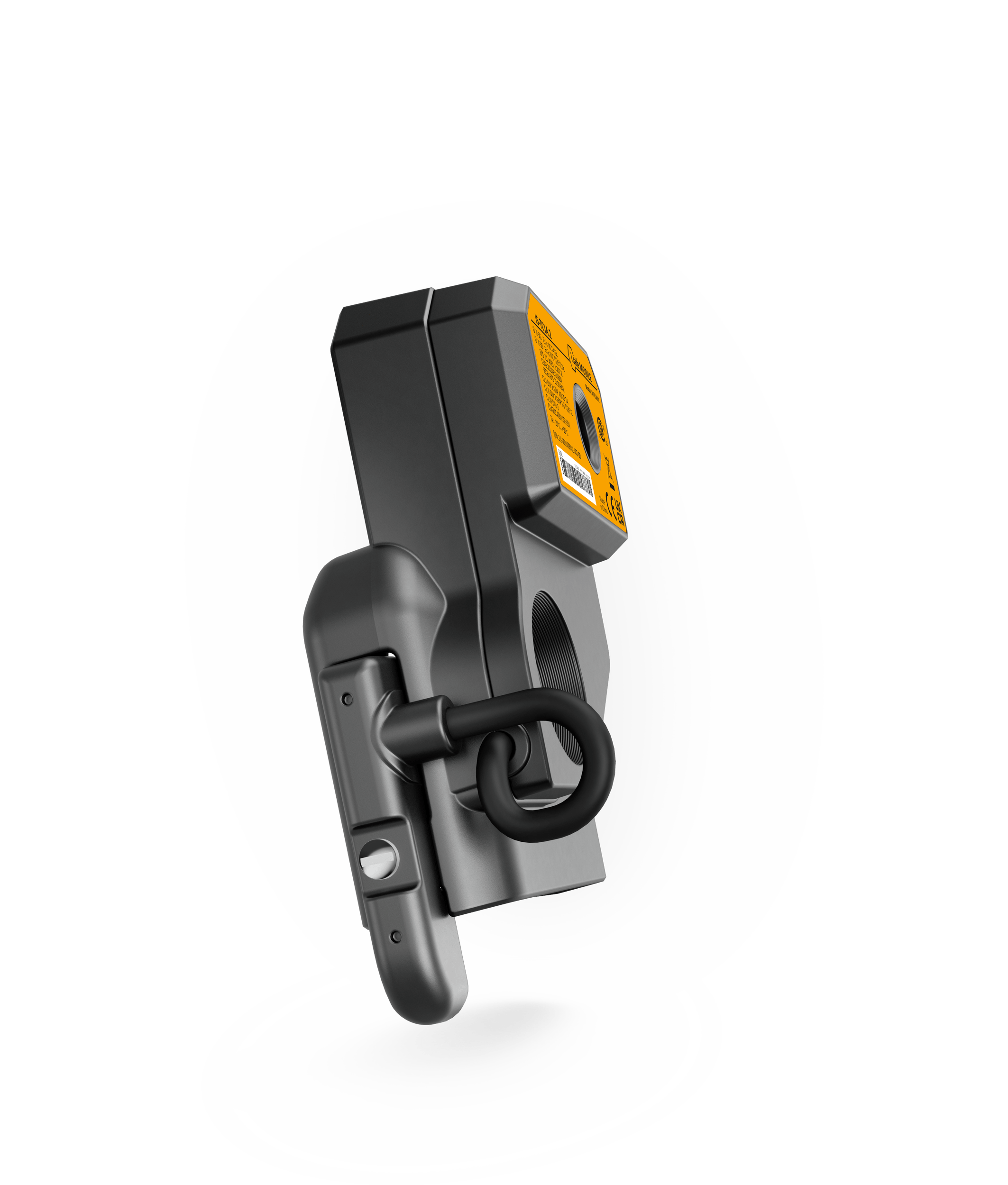
The approval of the complete inspection configuration should be verified. A certified camera does not automatically make every pole, mobile device, cable, battery or accessory suitable for use in the same classified location.
Explore additional hazardous-area inspection systems or learn more about Exloc’s broader enterprise mobility solutions.
Fixed Explosion-Protected CCTV
Portable inspection cameras and fixed CCTV systems serve different purposes. Portable cameras support mobile inspections and documentation, while fixed explosion-protected CCTV systems provide continuous monitoring of processes, equipment and restricted areas.
The correct solution depends on whether the application requires occasional inspection, remote viewing, continuous surveillance, thermal monitoring or permanent integration with a facility’s control and security systems.
Contact Exloc for assistance with fixed CCTV and permanent hazardous-area camera systems.
Visual vs. Thermal Cameras
A visual camera records the surface appearance of equipment. It is usually the better choice for documenting:
- Corrosion
- Cracks and physical damage
- Labels and nameplates
- Leaks and staining
- Wiring and connections
- Installation conditions
- Maintenance progress
- Incident evidence
A thermal camera records temperature differences. It may be more appropriate for identifying:
- Electrical hot spots
- Overloaded components
- Abnormal mechanical friction
- Failing bearings
- Insulation deficiencies
- Blocked lines
- Unexpected heat loss
- Developing equipment faults
Some inspections benefit from both visual and thermal images. Select the imaging technology according to the condition that must be detected and documented.
Common Applications for Hazardous-Area Cameras
Intrinsically safe and explosion-protected cameras can support a variety of industrial operations:
- Inspection and monitoring: Document the condition of machinery, pipes, valves, electrical equipment and process systems.
- Preventive and predictive maintenance: Capture visible defects or thermal anomalies before they result in equipment failure.
- Incident investigation: Preserve visual evidence following leaks, equipment failures or other safety events.
- Compliance documentation: Add photographs and thermal images to maintenance, inspection and audit records.
- Remote troubleshooting: Share field images with engineers, supervisors and equipment specialists.
- Emergency assessment: Help response teams evaluate hazardous conditions while limiting unnecessary exposure.
- Quality control: Document installation, repair and manufacturing conditions.
- Asset records: Associate images with equipment identification, service history and inspection results.
These applications are common in oil and gas, chemical and petrochemical processing, pharmaceutical production, mining, utilities, transportation, manufacturing and other industries with classified locations.
How Exloc Evaluates Hazardous-Area Cameras
Exloc does not determine a camera’s suitability from general marketing descriptions such as “rugged,” “industrial,” “waterproof” or “explosion-proof.” Our product-selection process begins with the customer’s documented area classification and the current approvals published for the complete camera configuration.
When helping customers compare cameras, Exloc reviews:
- Certification body and current certificate
- Class, Division or Zone approval
- Gas and dust groups
- Temperature class
- Ambient operating-temperature range
- Conditions of certification
- Visual or thermal imaging requirements
- Resolution, zoom and inspection distance
- Storage and data-transfer requirements
- Approved batteries, chargers and accessories
- Manufacturer support and product availability
Exloc does not certify cameras or determine a facility’s hazardous-area classification. Product certification is issued for a defined configuration by the applicable testing or certification organization. Exloc helps customers compare those documented approvals with the classification and technical requirements they provide.
Final equipment selection should be reviewed against the facility’s area-classification documentation, applicable regulations and site procedures.
Understanding Camera Certifications
Terms such as “rugged,” “industrial,” “waterproof” and “IP-rated” do not mean that a camera is safe for an explosive atmosphere. Hazardous-location approval must cover the specific environment in which the camera will be used.
Before purchasing, verify:
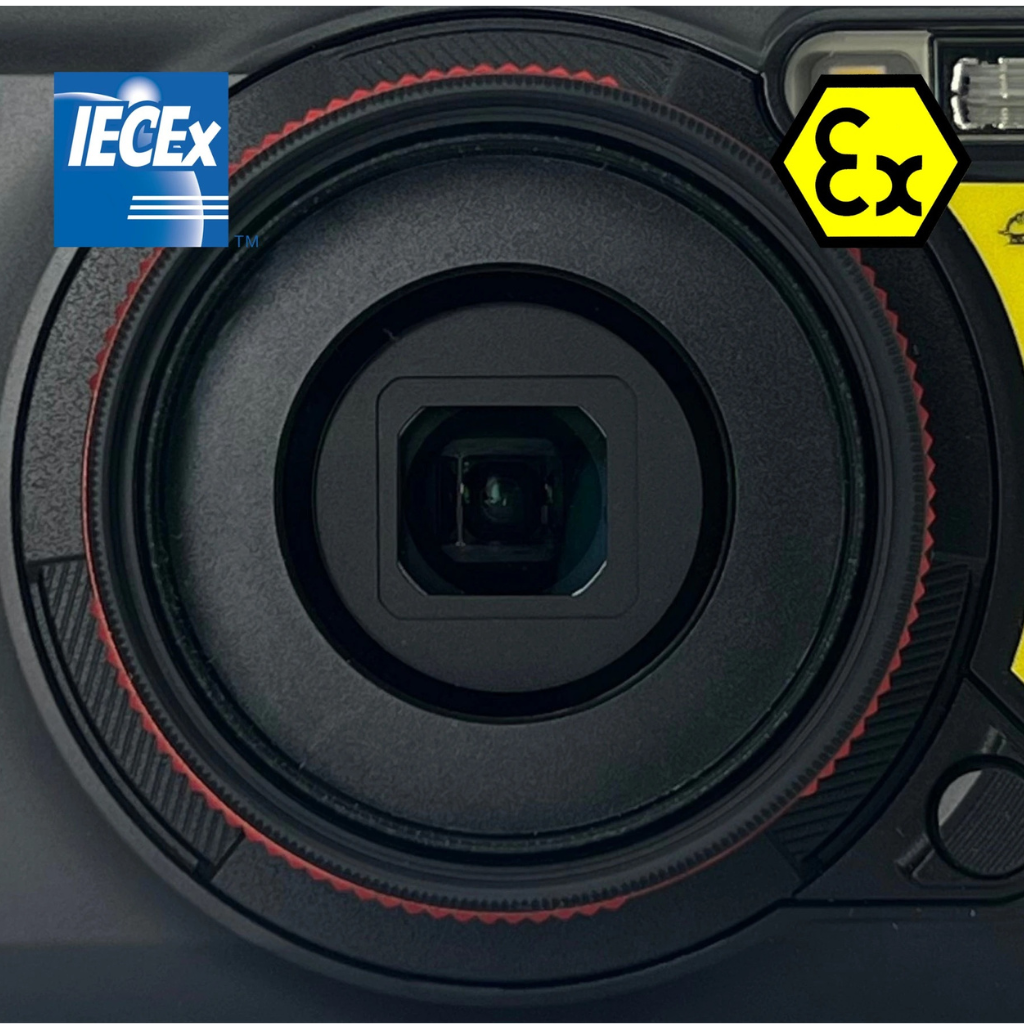
- Class and Division or ATEX/IECEx Zone
- Gas, vapor or dust group
- Temperature class
- Ambient operating-temperature range
- Conditions listed on the certificate
- Approved batteries and charging equipment
- Approved accessories and peripherals
- Any requirements for inspection or maintenance
A Class I Division 2 or Zone 2 camera must not automatically be assumed suitable for Class I Division 1 or Zone 1. The North American Class/Division and international Zone systems should not be treated as directly interchangeable without checking the product’s actual approvals.
Consult the camera certificate, manufacturer documentation and the facility’s area-classification records before deployment.
Camera Batteries, Chargers and Accessories
Only use batteries, chargers, memory cards, cables, mounts and accessories approved by the camera manufacturer for the selected configuration. Substituting an unapproved component may affect the camera’s certification, safety, performance and warranty.
Charging and battery replacement normally take place in a non-hazardous area unless the applicable approval and manufacturer instructions explicitly permit those activities within the classified location.
Inspect the camera and its accessories before use. Do not deploy equipment with damaged enclosures, cracked lenses, missing seals, exposed battery contacts or other conditions that could affect the approved configuration.
Information to Have Ready Before Requesting a Recommendation
Providing the following information helps Exloc identify suitable camera options more efficiently:
- Facility-provided Class/Division or Zone classification
- Gas, vapor or combustible-dust group
- Required temperature class
- Country where the camera will operate
- Visual or thermal imaging requirement
- Required image and video resolution
- Inspection distance and zoom requirements
- Low-light or flash requirements
- Temperature-measurement range, if thermal imaging is required
- Storage and data-transfer requirements
- Handheld, remote-mast or fixed-camera requirement
- Quantity and expected deployment date
Contact an Exloc specialist with these details or request a camera quote.
Expert-Reviewed Hazardous-Area Guidance
This guide was reviewed by at Exloc Instruments. The recommendations are based on manufacturer documentation, published product certificates and Exloc’s experience helping industrial organizations select equipment for classified locations.
Last technical review:
Product approvals, specifications and availability can change. Confirm the current certificate, control drawing and manufacturer instructions before purchasing or deploying equipment.